North Texas heat punishes roofs for months at a time. Dark surfaces soak up sunlight, drive attic and deck temperatures up, and force air conditioning to run longer. Cool roof systems flip that script. By reflecting more solar radiation and releasing stored heat faster, a cool roof lowers surface temperatures, eases HVAC load, and helps stabilize indoor comfort. For Rockwall property owners, this is more than theory. It shows up in utility bills, fewer service calls, and slower roof aging across hot seasons.
SCR, Inc. General Contractors has installed energy efficient roofing across Rockwall County for years, from retail centers along the I-30 corridor to office parks in Buffalo Creek and mixed-use buildings near The Harbor Rockwall. This article explains how cool roofing reduces energy use, where it makes sense in Rockwall 75087 and 75032, and how the right materials — silicone coatings, TPO, PVC, and insulated assemblies — work together to protect your building and your budget.
What a Cool Roof Actually Does
A cool roof uses high solar reflectance and high thermal emittance to control heat. Solar reflectance is the percentage of sunlight bounced back into the atmosphere. Thermal emittance is a material’s ability to shed absorbed heat. A white, reflective membrane with a reflectance above 0.70 and emittance around 0.85 to 0.90 will run much cooler than a dark roof under the same Texas sun. It is common to see 40 to 60 degrees Fahrenheit lower surface temperatures on peak summer afternoons compared to conventional black materials.
That temperature drop matters. Lower roof surface temperatures reduce heat flux into the building. With less heat loading the plenum and ceiling assembly, rooftop AC units do not work as hard. Many Rockwall clients report 10 to 30 percent cooling energy savings after switching to an energy efficient roofing assembly. Results vary by building type, roof color retention, insulation level, and HVAC controls, but the direction is consistent.
Why this works in North Texas
Rockwall sits on the eastern shore of Lake Ray Hubbard, where summer highs and extreme solar radiation are the norm. Prolonged heat drives roof expansion and contraction, known as thermal shock. UV exposure dries out older membranes and accelerates seam failure. A cool roof mitigates both forces. By keeping surfaces cooler, movement is less severe and seals last longer. UV reflectance also slows material degradation. Over years, the roof maintains flexibility and reduces leak risk.
Urban heat island effects add to the problem in commercial districts near The Harbor and along the I-30 corridor. Large dark roof fields absorb heat and radiate it into the air overnight, which can keep rooftop ambient temperatures high. Reflective roofs push back. They reflect more during the day and hold less heat after sunset, so RTUs start from a cooler baseline each morning.
System options that actually save energy
Energy efficient roofing is not one product. SCR, Inc. builds solutions around building use, roof condition, and project budget.
Silicone and acrylic coatings work well for roof restoration when the existing deck and membrane remain structurally sound. High-solids silicone coatings create a seamless waterproof layer with strong UV resistance and ponding water tolerance. Acrylic coatings perform in high reflectance scenarios and can be ideal for dry-slope applications. A well-prepped surface with flashing repair, proper primer, and reinforced seams allows these coatings to extend service life while cutting cooling loads.
Single-ply membranes excel for full replacements or new construction. TPO roofing offers high reflectivity, heat-welded seams, and broad commercial availability. PVC roofing delivers strong chemical resistance, heat-welded seams, and long-term reflectance stability. Both options support CRRC-rated assemblies and Energy Star criteria in applicable versions, making them reliable long-term cool roof systems for Rockwall’s climate.
Insulation turns a reflective surface into a complete energy package. Polyisocyanurate (Polyiso) boards increase R-value per inch, which reduces conductive heat transfer through the deck. On many projects, SCR, Inc. adds Polyiso over existing decks to meet today’s performance targets without tearing down to the joists. Expanded polystyrene (EPS) can support tapered systems to correct ponding and move water to scuppers. Together, reflectivity at the surface and higher insulation below calm interior temperatures and lighten HVAC demand.
Metal roofing with cool pigments is another path, especially for light-commercial buildings around Heath and Fate. Factory-applied reflective coatings help metal panels reflect solar radiation while offering long service life. In some cases, a metal roof can receive an elastomeric coating to improve reflectance and extend life without panel replacement.
Commercial cool roof systems in Rockwall, TX
Rockwall is a rapidly growing commercial hub. Warehouses near I-30, retail centers at The Harbor, and office buildings in Northshore and Buffalo Creek share a similar problem: heat load. Traditional black asphalt and dark EPDM systems can absorb up to 90 percent of solar energy. That energy becomes heat in the building, which forces HVAC systems to fight longer to maintain setpoints. Rooftop AC units and heat pumps sit in hotter ambient air, which cuts efficiency and shortens component service life.
A reflective cool roof changes the conditions for those rooftop units. By lowering rooftop ambient temperatures and surface heat, the equipment operates with a better entering-air temperature. Compressors cycle less often and run cooler. Over seasons, that can mean fewer emergency calls, fewer capacitor and fan motor failures, and a longer interval before full unit replacement. SCR, Inc. often pairs new membranes with corrected flashing, proper scupper sizing, and new seam tape at critical transitions to stop leaks that erode insulation R-value.
The local effect is visible. Properties near Lake Ray Hubbard see high glare and UV during the late morning and early afternoon. On projects along The Harbor Rockwall and the I-30 corridor, infrared thermal cameras often show 20 to 50 degree differences between old dark areas and restored reflective sections on the same day. That kind of data helps ownership teams prioritize phases and budgets by targeting the hottest zones first.
Materials that stand up to Rockwall weather
The best cool roof system for a energy efficient roofing property depends on roof structure, foot traffic, equipment layout, and budget. These material families have performed well across Rockwall County:
- High-solids silicone membrane: Excellent UV resistance, strong reflectivity, and good performance under brief ponding. Works well over aged single-ply or metal after proper cleaning, seam reinforcement, and primer. Silicone keeps its reflectivity over time when maintained. Acrylic coating systems: Strong initial reflectivity, cost-effective for large areas with positive drainage. These coatings need the right climate window for application and may require periodic topcoats to maintain reflectance and waterproofing. TPO membranes: Widely used in commercial roofing with heat-welded seams that resist leaks. Reflective white TPO meets cool roof criteria in many product lines. Reinforced options handle rooftop traffic better when walkway pads are added near RTUs. PVC membranes: Durable in chemical exposure zones such as restaurants and certain industrial rooftops. High reflectance and stable welds create a long-term cool roof solution with strong warranty programs from brands like Duro-Last and Carlisle SynTec. Metal with cool pigments: Good for sloped assemblies and long spans. Standing seam profiles manage water well. With CRRC-rated factory finishes, these roofs reflect more solar energy while staying rigid in high winds.
SCR, Inc. installs and services systems from GAF, Mule-Hide, Carlisle, Duro-Last, CertainTeed, Owens Corning in applicable assemblies, Firestone Building Products, Conklin Roofing Systems, and Sto Corp components where coatings and air-barrier integrations apply. For superior leak protection and energy savings on flat commercial roofs, Duro-Last PVC systems are a strong candidate. As factory-certified installers for Duro-Last and GAF, the team offers NDL warranty options on energy efficient TPO and PVC systems when the specification qualifies.
The science in simple terms
Heat moves in three ways: radiation from the sun, conduction through the roof deck, and convection with air around the surface and inside the building. A cool roof addresses all three. Reflective surfaces lower incoming radiant heat. Insulation reduces conductive flow to the interior. By dropping surface temperatures, the system also cools the air layer above the membrane, easing convective load on RTUs and ductwork.
Two metrics guide most decisions. Solar reflectance tells how much solar energy the roof rejects. Thermal emittance tells how quickly a warmed surface releases that heat. High values in both drive the best real-world results during Rockwall summers. CRRC ratings list both numbers so owners can compare products with confidence.
Where cool roofs pay off fastest
Buildings with large, low-slope roofs see the clearest energy savings. In Rockwall, that usually means warehouses, big-box retail, medical offices, and flex spaces. Facilities with long cooling seasons and high internal gains — supermarkets, fitness centers, data rooms, or busy restaurants — benefit even more. Properties with aging dark roofs in 75087 and 75032 are prime candidates for restoration coatings that avoid a tear-off while cutting utility costs.
Properties near heat-reflective surfaces, such as large parking lots along the I-30 corridor, also see value. The roof faces reflective glare and higher surrounding temperatures. A high-reflectivity membrane helps counter those local effects.
Real constraints and trade-offs
Reflective roofs are not a cure-all. Snow climate benefits are minimal in North Texas, so winter heat gain losses are not a concern here, but a few limits apply. Standing water shortens the life of some acrylic coatings. In those cases, silicone or a new single-ply membrane with corrected slope is a better answer. Heavy rooftop traffic calls for walkway pads and frequent inspection to protect seams and flashing. Grease exhaust near food service accelerates wear on TPO, so PVC often outperforms there.
Color retention also matters. Dust, pollen, and foot traffic soil a roof. Without maintenance, reflectivity declines. A simple wash once or twice a year brings reflectance back closer to rated values. SCR, Inc. includes maintenance plans that schedule cleaning, seam checks, and sealant touch-ups so the cool roof continues to deliver energy savings.
A brief look at parts and components
Several components keep a cool roof tight and efficient. Primer improves adhesion on aged surfaces. Seam tape and fabric reinforcement protect transitions and penetrations around RTUs, solar panel standoffs, and pipe boots. Scuppers sized for heavy rain move water off the deck fast, which protects coating systems and reduces ponding. Elastomeric coating chemistries, including acrylic and silicone, handle expansion and contraction while keeping a continuous film. Polyiso boards below the membrane boost R-value, while EPS helps create fall to drains.
On many Rockwall projects, SCR, Inc. uses infrared thermal cameras to locate wet insulation and hidden leaks before specifying a system. Wet insulation drags down energy performance and requires replacement or isolation. With clear thermal data, the team can plan targeted tear-off, replace saturated sections, and restore the rest — a common path to energy savings with controlled cost.
Field notes from Rockwall
A retail building near The Harbor had black EPDM showing seam fatigue and rising summer utility bills. Afternoon roof temperatures hit 170 degrees. The owner did not want a full tear-off. After repairs to flashing and penetrations, SCR, Inc. installed a high-solids silicone membrane over the prepared surface. A follow-up infrared scan showed even temperatures across the field, with peak surface readings reduced by more than 45 degrees. The retailer reported lower cooling costs the next quarter and fewer emergency HVAC calls during a heat wave.
Farther east along the I-30 corridor, a distribution facility combined a TPO replacement with added Polyiso insulation. The new assembly corrected ponding with tapered EPS near scuppers and introduced walkway pads around RTUs. The maintenance team noticed improved comfort at the mezzanine office area. Monitored data suggested a 20 percent reduction in cooling kWh during the hottest months compared to the prior year, adjusted for degree days.
Residential benefits in Rockwall neighborhoods
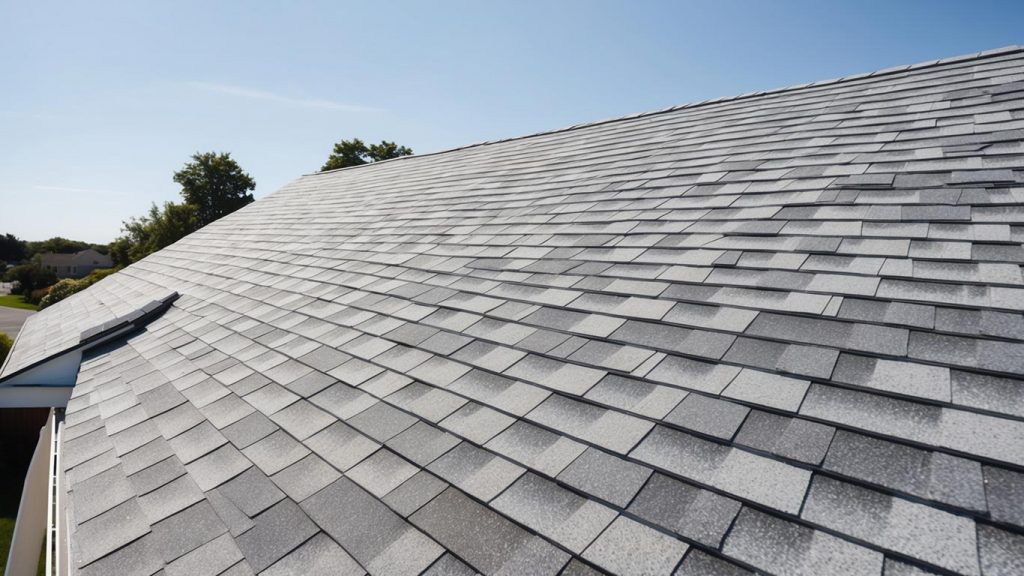
While this article centers on commercial cool roof systems, homeowners in Chandlers Landing, Shores on Lake Ray Hubbard, Stone Creek, Breezy Hill, and Buffalo Creek ask similar questions. Lighter-color shingles with reflective granules, radiant barriers under decking, and proper attic insulation form an energy efficient roofing package. On typical houses, attic temperature drops of 20 to 30 degrees can occur on hot days, which helps AC equipment cycle less. The math varies by attic ventilation, duct leakage, and shading, but the principle holds: a cooler roof deck reduces interior heat gain.
The business case: energy, lifespan, and comfort
Owners often start with energy savings, but lifecycle value comes from fewer leaks, fewer rooftop repairs, and longer membrane life. Every degree avoided at the surface reduces expansion and contraction cycles. Every leak prevented protects insulation R-value. Every hour of lower ambient conditions around RTUs helps compressors and electronics last longer.
Savings depend on a building’s baseline. An older dark roof with minimal insulation offers the largest gains. A newer roof with adequate insulation still benefits from better reflectance and reduced rooftop heat for equipment. Across Rockwall 75087 and 75032, a well-specified reflective system can reduce cooling energy by 10 to 30 percent. Some projects reach higher numbers when paired with controls upgrades and duct sealing.
Local signals that matter for Rockwall searchers
SCR, Inc. serves commercial property owners across Rockwall, Fate, and Heath, with frequent deployments to Rowlett, Royse City, Forney, Terrell, Wylie, Garland, and Greenville. Crews work near Lake Ray Hubbard and The Harbor Rockwall and are often visible along the I-30 corridor and near San Jacinto Plaza and the Rockwall County Courthouse. From large retail roofs in Northshore to office parks in Buffalo Creek, the team builds energy efficient roofing solutions that fit site conditions and business needs.
Proudly serving Rockwall 75087 and the surrounding 75032 lakefront communities, SCR, Inc. offers prompt assessments, detailed scopes, and documented results so owners can justify spend and plan future phases.
Brands, certifications, and why they matter
Materials and installation quality decide performance. SCR, Inc. provides certified installations from mass-market and high-performance lines, including GAF, Owens Corning, CertainTeed, Firestone Building Products, Mule-Hide, Duro-Last, Carlisle SynTec, Conklin Roofing Systems, and Sto Corp where specifications call for coatings or wall interface components. The company holds GAF Master Elite status for applicable systems and offers CRRC-rated and Energy Star listed options when available.
For premium PVC systems, Duro-Last’s “World’s Best Roof” portfolio stands out for factory-precision fabrication, strong seams, and energy performance. On projects with complex penetrations or restaurant exhaust, Carlisle and Duro-Last PVC can provide extra durability. Mule-Hide and GAF provide broad TPO options for reflectivity and weld strength.
As a member of The Good Contractors List with a $10,000 quality guarantee, SCR, Inc. backs workmanship and stands behind every cool roof project. The team includes former insurance adjusters who manage hail and wind claims, coordinate with carriers, and document damage so owners receive fair settlements. NATE-certified technicians support HVAC overlap where rooftop equipment adjustments tie into roofing scopes.
Simple steps to lower your building’s energy use
- Request a free Thermal Roof Inspection and energy audit. SCR, Inc. will scan for wet insulation, identify hot spots, and quantify heat gain. Review options: reflective coating restoration, TPO or PVC replacement, and insulation upgrades with Polyiso. Address details: flashing, scuppers, walkway pads, and penetration guards to protect the assembly. Plan maintenance: schedule cleaning and annual checks to preserve reflectivity and stop small issues early. Track outcomes: compare kWh and demand charges before and after to document ROI.
Frequently asked questions about energy efficient roofing
Does a cool roof lower A/C bills in Rockwall? Yes. By reflecting more sunlight and releasing heat faster, the roof runs cooler. That reduces heat flow into the building and lowers rooftop ambient temperatures around RTUs. Many local buildings see 10 to 30 percent cooling energy reductions, depending on insulation, controls, and occupancy.
What is the ROI on a reflective coating versus a full replacement? Coating restoration often delivers lower upfront cost and faster payback when the existing roof is sound. Full replacement with TPO or PVC plus added Polyiso can yield deeper long-term savings and longer warranties. The best choice depends on moisture in the system, deck condition, and risk tolerance. SCR, Inc. provides side-by-side models so owners can compare payback and cool roof systems materials lifecycle cost.
Are there tax credits or incentives for energy efficient commercial roofing in Texas? Programs change over time. Energy Star listings, CRRC ratings, and utility rebates may apply to certain assemblies or performance targets. Federal incentives for building efficiency can apply through broader programs such as Section 179D for qualifying improvements. SCR, Inc. reviews current options and helps owners document compliance where applicable.
Can coatings handle ponding water? Silicone coatings tolerate intermittent ponding better than acrylics. If a roof has chronic ponding, the long-term fix is to add tapered insulation, improve drainage, or consider a new membrane. SCR, Inc. often combines tapered EPS with Polyiso to create fall toward drains and scuppers.
Will a cool roof interfere with solar panels? No. In fact, a cooler roof can help panel efficiency by keeping module temperatures lower. Reflective membranes also make array maintenance safer by reducing surface heat. Proper flashing and standoffs remain essential to prevent leaks.
How often does a cool roof need maintenance? Plan on one to two cleanings per year, plus an annual inspection. The team checks seams, penetrations, flashing, and any areas near equipment. Small touch-ups keep reflectivity high and protect warranties.
Signs your roof is a candidate
Look for high summer utility bills, office hot spots under the roof field, frequent AC service calls, visible membrane cracks or chalking, and ponding near scuppers. If rooftop temperatures feel unbearable by mid-morning, the roof is absorbing excess heat. An infrared scan provides quick confirmation and maps the worst areas.
What to expect during a project with SCR, Inc.
A project begins with a free infrared thermal inspection and condition assessment. The team documents wet insulation, seam health, flashing, and drainage. Next comes a clear scope with pricing options for coating restoration, TPO or PVC replacement, insulation upgrades, and any metal or SPF tie-ins. For active businesses, crews schedule work to avoid peak hours, protect customer access, and coordinate with rooftop AC shutdown windows. The final step includes a warranty review, maintenance plan, and a baseline energy log so results can be measured.
SCR, Inc. crews are frequently seen working on commercial projects along the I-30 corridor and near The Harbor Rockwall. The company serves Rockwall, Fate, and Heath, along with nearby Rowlett, Royse City, Forney, Terrell, Wylie, Garland, and Greenville.
Ready to reduce energy use on your roof?
Cool roof systems deliver fast, visible value in Rockwall’s climate. They reflect heat, release it faster, and protect the roof from UV and thermal shock. They lower AC run times and support longer equipment life. They help businesses control costs as summers grow longer and hotter.
Request a free Thermal Roof Inspection to see where your building is losing energy. SCR, Inc. will provide a clear plan using reflective roof coatings, reinforced TPO membranes, PVC, or metal solutions with CRRC-rated surfaces. Schedule your energy audit and quote today and beat the Texas heat with a roof that works as hard as your business.
SCR, Inc. General Contractors provides roofing, remodeling, and insurance recovery services in Rockwall, TX. As a family-owned company, we handle wind and hail restoration, residential and commercial roofing, and complete construction projects. Since 1998, our team has helped thousands of property owners recover from storm damage and rebuild with reliable quality. Our background in insurance claims gives clients accurate estimates and clear communication throughout the process. Contact SCR for a free inspection or quote today.
SCR, Inc. General Contractors
440 Silver Spur Trail
Rockwall,
TX
75032,
USA
Phone: (972) 839-6834
Website: https://scr247.com/, Storm damage roof repair
Map: View on Google Maps
Social Media: Yahoo Local